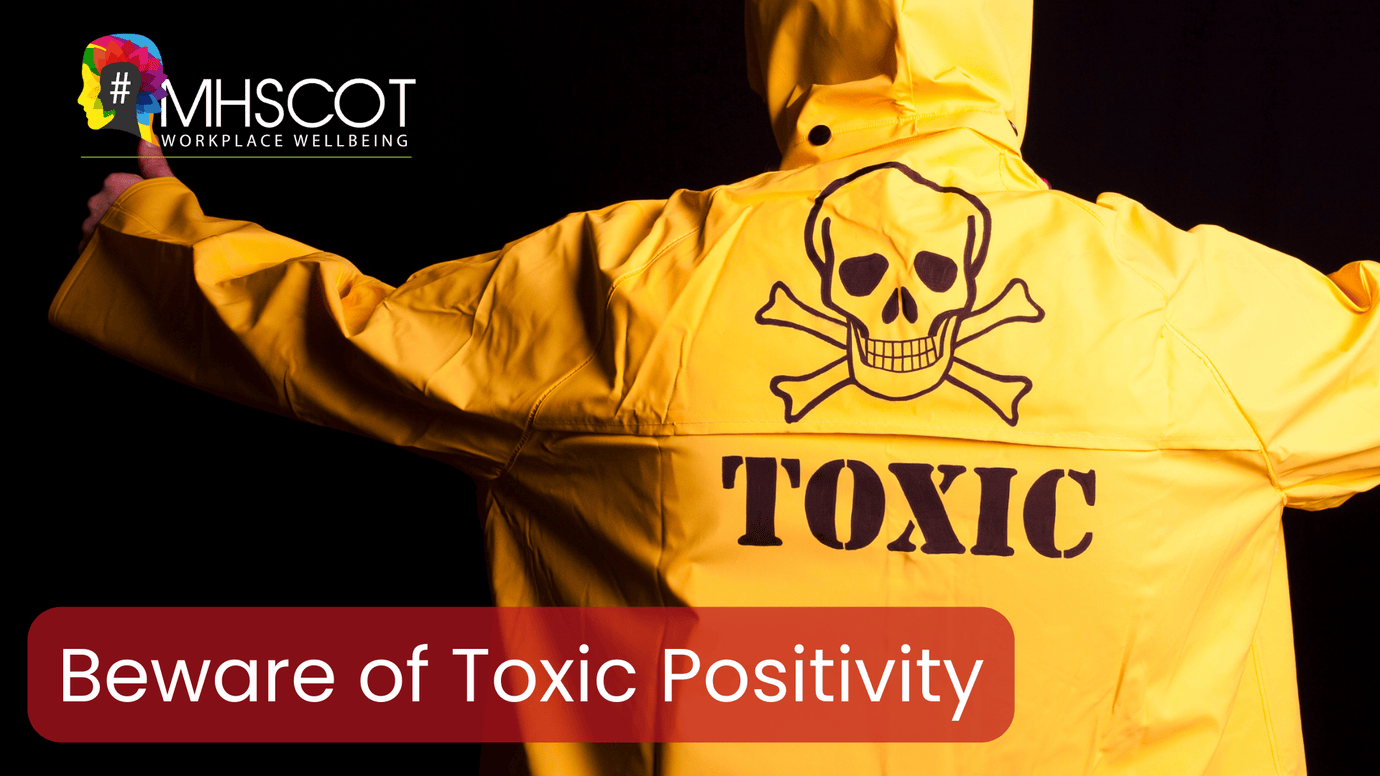
Beware of Toxic Positivity ⚠️
Started by Amanda Opie
350 points
Amanda Opie


Today, we want to shed light on a crucial topic that often flies under the radar in our workplaces: Toxic Positivity.
What exactly is Toxic Positivity?
It's the overemphasis on positive thinking to the extent that it dismisses or invalidates valid negative emotions or experiences. While positivity is undoubtedly valuable, when it becomes toxic, it can have detrimental effects on both workplace culture and individuals' mental health.
Here's how it impacts workplaces and people's mental well-being:
Invalidating Genuine Emotions: When someone is struggling or facing challenges, responding with overly positive messages like "Just stay positive!" or "Don't worry, everything happens for a reason!" can dismiss their valid feelings of frustration or sadness. This invalidation can make individuals feel unheard and unsupported.
Suppressing Authenticity: Toxic Positivity can create an environment where employees feel pressured to mask their true feelings and put on a facade of constant happiness. This suppression of authenticity not only hampers genuine connection and communication but also increases stress and anxiety as individuals strive to meet unrealistic expectations.
Undermining Problem-solving: Instead of addressing underlying issues, Toxic Positivity encourages individuals to ignore or gloss over problems with a superficial layer of positivity. This can hinder meaningful discussions and prevent constructive solutions from being implemented, ultimately impeding progress and growth within the organisation.
Impact on Mental Health: Constant exposure to Toxic Positivity can take a toll on individuals' mental health. It can lead to feelings of guilt or shame for experiencing natural human emotions, create a sense of isolation as individuals feel unable to express their true selves, and contribute to burnout as the pressure to maintain a positive facade becomes overwhelming.
"Toxic positivity is like a sugar-coated poison; it may appear sweet on the surface, but its effects can be harmful and corrosive in the long run."
So, what can we do to combat Toxic Positivity in our workplaces?
🔍 Foster a Culture of Authenticity: Encourage open and honest communication where individuals feel safe expressing their true feelings without fear of judgment or dismissal.
🤝 Practice Empathy and Active Listening: Take the time to truly listen to your colleagues and validate their experiences, even if they don't align with a strictly positive outlook. Empathy goes a long way in building genuine connections and support networks.
📉 Address Underlying Issues: Instead of brushing problems under the rug, work together to identify and address underlying issues constructively. Embrace a growth mindset that values learning and improvement.
Let's strive to create workplaces where positivity is balanced with authenticity, empathy, and a commitment to addressing challenges head-on. Together, we can cultivate environments that prioritise mental well-being and foster genuine connections.
We would love to hear your thoughts and experiences on this topic.
Let's keep this important conversation going!

350 points
Amanda Opie
Today, we want to shed light on a crucial topic that often flies under the radar in our workplaces: Toxic Positivity.
What exactly is Toxic Positivity?
It's the overemphasis on positive thinking to the extent that it dismisses or invalidates valid negative emotions or experiences. While positivity is undoubtedly valuable, when it becomes toxic, it can have detrimental effects on both workplace culture and individuals' mental health.
Here's how it impacts workplaces and people's mental well-being:
Invalidating Genuine Emotions: When someone is struggling or facing challenges, responding with overly positive messages like "Just stay positive!" or "Don't worry, everything happens for a reason!" can dismiss their valid feelings of frustration or sadness. This invalidation can make individuals feel unheard and unsupported.
Suppressing Authenticity: Toxic Positivity can create an environment where employees feel pressured to mask their true feelings and put on a facade of constant happiness. This suppression of authenticity not only hampers genuine connection and communication but also increases stress and anxiety as individuals strive to meet unrealistic expectations.
Undermining Problem-solving: Instead of addressing underlying issues, Toxic Positivity encourages individuals to ignore or gloss over problems with a superficial layer of positivity. This can hinder meaningful discussions and prevent constructive solutions from being implemented, ultimately impeding progress and growth within the organisation.
Impact on Mental Health: Constant exposure to Toxic Positivity can take a toll on individuals' mental health. It can lead to feelings of guilt or shame for experiencing natural human emotions, create a sense of isolation as individuals feel unable to express their true selves, and contribute to burnout as the pressure to maintain a positive facade becomes overwhelming.
"Toxic positivity is like a sugar-coated poison; it may appear sweet on the surface, but its effects can be harmful and corrosive in the long run."
So, what can we do to combat Toxic Positivity in our workplaces?
🔍 Foster a Culture of Authenticity: Encourage open and honest communication where individuals feel safe expressing their true feelings without fear of judgment or dismissal.
🤝 Practice Empathy and Active Listening: Take the time to truly listen to your colleagues and validate their experiences, even if they don't align with a strictly positive outlook. Empathy goes a long way in building genuine connections and support networks.
📉 Address Underlying Issues: Instead of brushing problems under the rug, work together to identify and address underlying issues constructively. Embrace a growth mindset that values learning and improvement.
Let's strive to create workplaces where positivity is balanced with authenticity, empathy, and a commitment to addressing challenges head-on. Together, we can cultivate environments that prioritise mental well-being and foster genuine connections.
We would love to hear your thoughts and experiences on this topic.
Let's keep this important conversation going!