The Mental Cost of Living
2 minute read
The ‘cost of living,’ literally and figuratively has always been high, but competing demands for our attention, worrying media feeds and expensive living costs can unbalance our emotional equilibrium and negatively affect our physical and cognitive functioning.
When Life Feels Like a Constant Drain
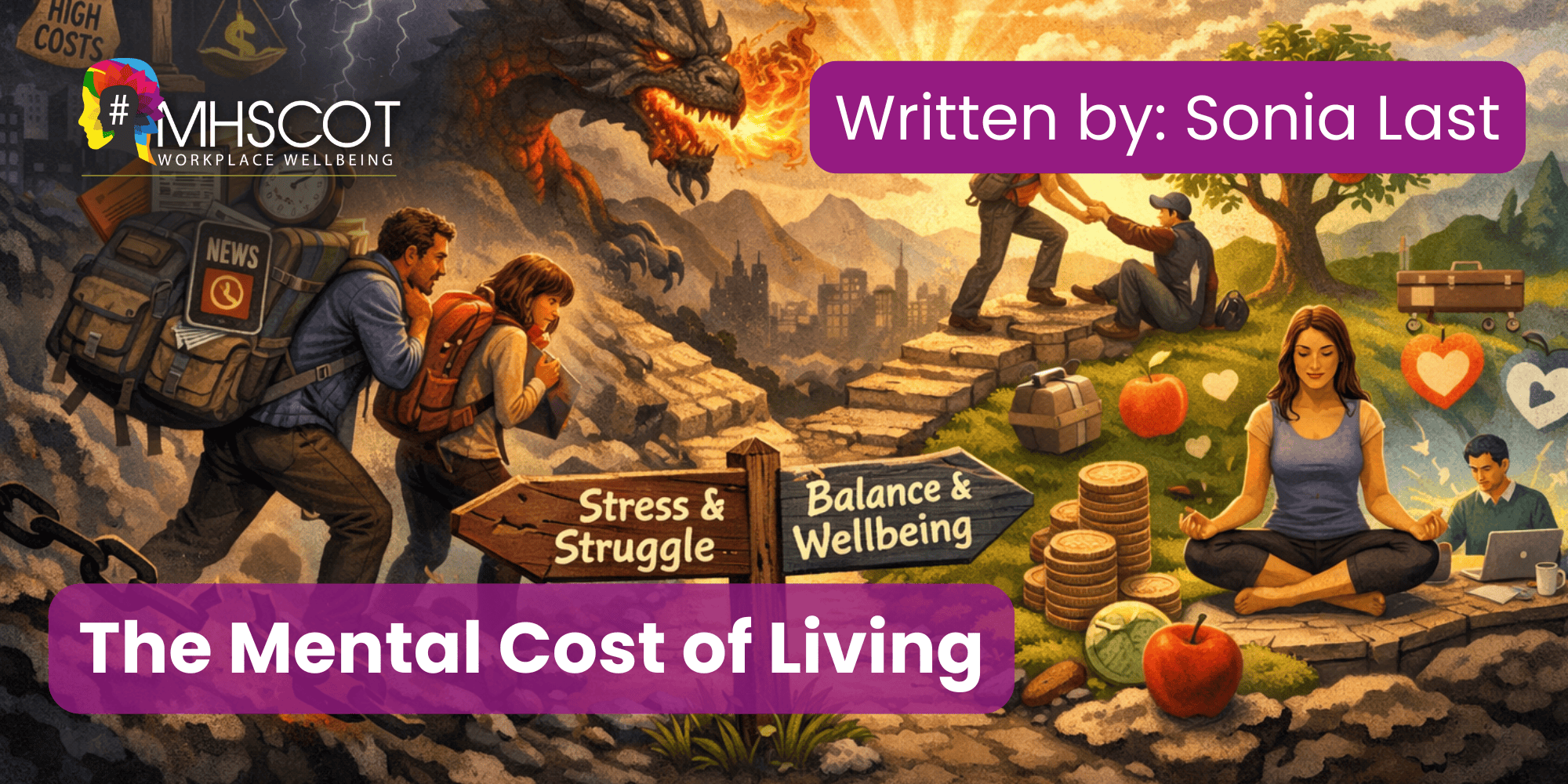
In our personal lives, the physical and emotional energy we expend is deeply intertwined with what is important to us, so untangling the beneficial from the drudgery can be tricky. The responsibilities and burdens we carry can often drain our vitality, so prioritising can help us regain some headspace and better manage our attention and energy. It might mean that we need to lean into change while playing the long game or vigorously fend off snarling beasts with a big stick, but tweaking the direction of travel and remembering to pick low-lying fruit along the way can reasure and sustain us.
Living in Survival Mode
Lately, our fear and anger responses are being triggered incessantly, causing havoc within our bodily systems and gearing us into critical survival mode. In a world that seems increasingly unstable, coupled with the peculiar stresses of contemporary life, the strain can become chronic.
These cumulative effects of negative messaging from external sources costs us dearly; distracts and saps our life force. Our anxiety seems hard-wired to an onslaught of environmental, geopolitical, and financial issues that we are unable to respond to appropriately and feel helpless to resolve. Not able to slay the dragon, we can internalise our impotence and rage which then manifests in poor mental and physical wellbeing. We know that threats to our safely and security seriously undermines our ability to thrive, so mitigating these as best we can, is vital to our wellbeing.
The Role of the Workplace
We might not be able to influence global or even national affairs but in the workplace, we can provide the kind of adjustments and flexibilities that profoundly impact the quality of life. Managing time and workloads to better suit people’s capacities and circumstances is a highly specialised leadership skill that seems well established in some sectors but glaringly absent in others. Responsive management addresses real needs which makes people’s circumstances more manageable and empowers their financial, emotional, and social capital. Whether tangible or intangible, small accommodations are often cheap at the price but are priceless to the recipient.
Practical Support Makes a Real Difference
With financial stress being a major factor that triggers poor health, initiatives around transport, food, energy, family, or medical costs might be found within the organisation or through local initiatives or partnerships. History has shown that during tough times, communities that pull together develop a superpower that boosts productivity and long-term wellbeing. Hopefully, we haven’t entirely lost the knack.
The Power of Community
The communal spirit in our workplaces, clubs, institutions, and social collectives can ease the pressures of life and could provide the wee extras that make life bearable. Whether the support we give is emotional, physical, or financial, it could mean the mental cost of living never becomes untenable.
Written by MHScot Team Member, Sonia Last.